Nurse Heart: A Designer’s Review for Embroidery Projects
As an embroidery designer who has spent years digitizing files and testing them on everything from thick denim to delicate baby knits, I approach every new graphic with a critical eye. We are not just looking at pretty pictures; we are looking at stitch paths, density management, and final product viability. Recently, I evaluated Nurse Heart, a design marketed primarily within the T-Shirt Designs and Graphics categories. While the source material describes it as a transparent background PNG suitable for cards and frames, my focus was strictly on how this visual asset translates into a tangible, stitched reality for craft businesses and handmade shops.
First Impressions and Visual Personality
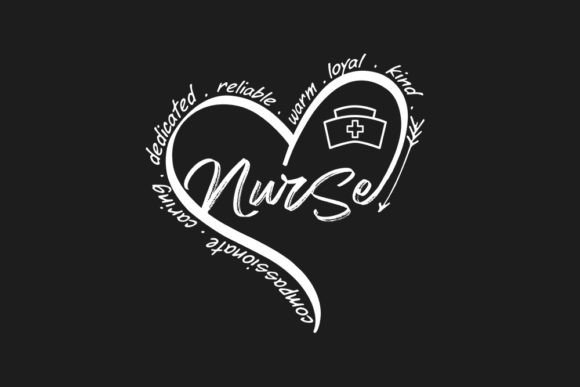
The first thing that strikes you about Nurse Heart is its emotional clarity. It merges the universal symbol of care—the heart—with professional nursing iconography. The layout is clean, avoiding the clutter that often plagues niche-themed graphics. For an embroidery project, this simplicity is a virtue. Complex gradients and tiny details often get lost in thread, but a strong, bold silhouette like this tends to hold up well under the needle.
The mood is warm, dedicated, and professional. It does not feel overly clinical, nor does it feel too casual. This balance makes it versatile. When I visualize this design, I do not just see a image; I see a finished product that conveys trust and appreciation. For Etsy sellers and small shop owners, this immediate emotional connection is crucial for buyer engagement.
Real-World Application: The Custom Tote Scenario
To truly understand the value of a design, you must imagine it in use. Let us consider a real-life scenario: a customer orders a custom embroidered tote bag for a nursing school graduation gift. They want something durable, stylish, and meaningful. Using Nurse Heart here is a strategic choice. Because the design relies on strong shapes rather than intricate shading, it translates beautifully onto canvas or heavy cotton tote materials.
In this context, the design acts as the focal point. If I were stitching this, I would likely opt for a satin stitch border to define the heart shape, ensuring crisp edges that stand out against the textured fabric of the bag. The interior elements, depending on their complexity in the original PNG, might require a careful mix of fill stitches and running stitches to maintain clarity without creating a stiff, cardboard-like feel. The result is a personalized gift that feels high-end and thoughtful, rather than mass-produced.
Versatility Across Product Lines
Beyond tote bags, Nurse Heart has significant potential across various apparel and home decor items. For custom apparel, such as sweatshirt embroidery, the design offers enough surface area to be impactful without overwhelming the garment. On a crewneck sweatshirt, a larger version of this graphic can serve as a statement piece, appealing to healthcare workers who take pride in their profession.
For smaller items, consider baby embroidery. A onesie or a burp cloth featuring a softened color palette of this design makes for an adorable welcome gift for a nurse’s new child. Here, the scale matters. You must resize the graphic appropriately to fit the small hoop size typically used for infant garments. Similarly, for holiday embroidery projects, such as Christmas ornaments or festive aprons, the heart motif fits naturally into seasonal themes of love and care.
Even in the realm of digital products, this asset is valuable. As a printable mockup or part of a design assets bundle, it allows creative entrepreneurs to create cohesive branding for their craft business. Whether used in social media previews or as part of a larger collage for frame artwork, the transparent background feature mentioned in the product description is essential for seamless integration.
Technical Considerations for Stitching
While the visual appeal is strong, practical execution requires attention to detail. Since Nurse Heart is provided as a 300 dpi PNG, it is a raster image, not a native machine embroidery design file. This distinction is vital. You cannot simply send a PNG to your embroidery machine. You must use digitizing software to convert the graphic into an embroidery file, mapping out the stitch types, directions, and densities.
When digitizing this specific design, pay close attention to stitch density. If the heart shape is filled entirely with dense satin stitches, it may pucker thin fabrics. On stretchy fabric like jersey t-shirts, excessive density can cause distortion. I recommend using a lighter fill stitch or incorporating negative space to keep the fabric flexible. Additionally, check the small details. If the nursing symbols within the heart are tiny, they may need to be simplified or enlarged to prevent thread breaks and ensure stitching clarity.
Fabric texture also plays a role. On textured fabrics like terry cloth towels or fleece blankets, fine details can disappear. In these cases, increasing the contrast between thread colors and fabric background is key. Test the design in black and white mockups first to ensure the shape remains recognizable even without color differentiation.
Where to Use Caution
Not every surface is ideal for this design. Curved surfaces like caps require careful placement. If the design is too wide, it may distort around the curve of the cap’s front panel. For embroidered patches, ensure the edges are well-defined with a border stitch to prevent fraying over time. Dark fabrics present another challenge; if the design includes light colors, you may need an underlay stitch or a backing stabilizer to prevent the dark fabric from showing through the threads.
Furthermore, avoid placing this design in areas subject to frequent friction or washing without proper stabilization. While modern threads are durable, poor stitch structure can lead to premature wear. Always test the design on scrap fabric first. This step allows you to adjust tension, check thread color contrast, and confirm that the hoop size is appropriate for your machine.
Enhancing Brand Value and Customer Trust
For commercial embroidery projects, consistency is key. Using a well-balanced design like Nurse Heart helps build brand recognition. When customers see a clean, professionally stitched product, their trust in your handmade product increases. This design supports that professionalism by offering a clear, respectful tribute to the nursing profession.
Whether you are creating boutique branding items or small shop merchandise, the quality of the final stitch reflects directly on your business. A messy, poorly digitized version of this graphic could harm your reputation, while a crisp, well-executed version can become a bestseller. Remember to confirm licensing before selling finished items. While the product description suggests versatility for cards and artwork, commercial use rights for physical goods should always be verified with the creator.
Final Thoughts for Makers
Nurse Heart is more than just a graphic; it is a tool for storytelling through thread. It bridges the gap between digital convenience and tactile craftsmanship. For the embroidery designer, it offers a solid foundation for creating meaningful products. For the Etsy seller, it provides a reliable asset for diverse product lines. By respecting the technical requirements of embroidery—such as proper stabilizer use, thread selection, and digitizing precision—you can transform this simple PNG into a cherished keepsake. Approach it with intention, test it thoroughly, and let the quality of your stitching speak for itself.