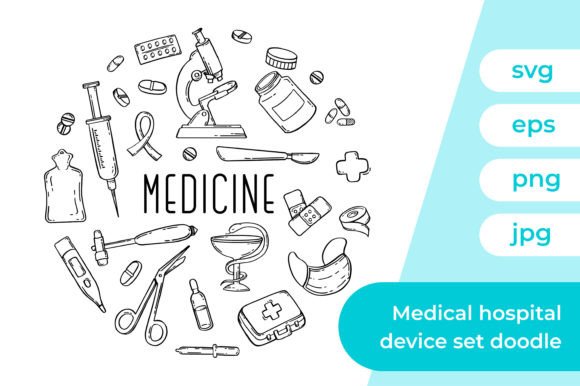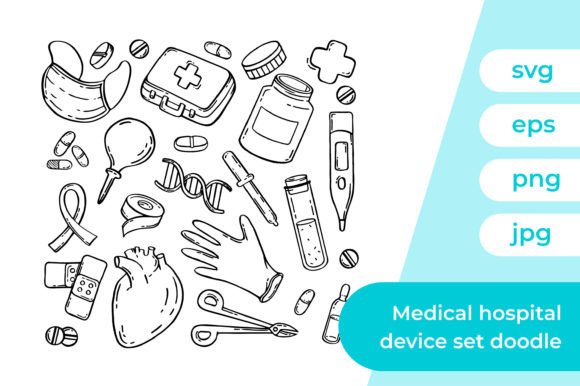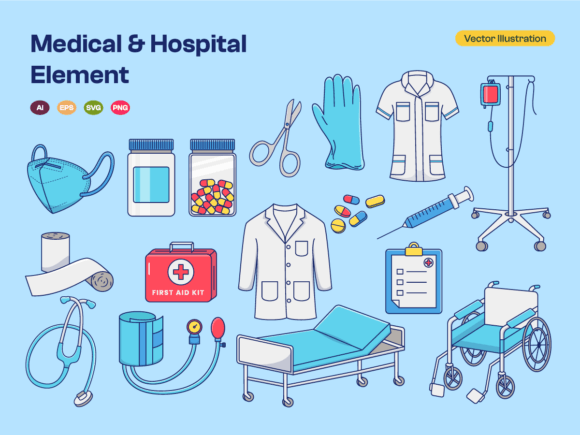
Medical and Hospital Equipment Graphics and Illustrations
As a brand designer who has spent the last decade helping local entrepreneurs turn their passions into profitable businesses, I approach every new graphic design asset with a critical eye. It is not enough for an image to simply look good on a screen; it must perform in the real world. Recently, I evaluated a set of assets titled Medical and Hospital Equipment. While the name suggests a strictly clinical application, my review focuses on how these visuals can be adapted for modern small business branding, particularly for health-focused boutiques, wellness startups, and professional service providers.
My first impression of the Medical and Hospital Equipment Illustration collection was one of clean precision. The mood it creates is undeniably professional, sterile, and trustworthy. For a local business operating in the healthcare, dental, or veterinary sectors, this aesthetic is crucial. It suggests a brand personality that is reliable, hygienic, and technologically advanced. However, even for non-medical brands, such as organic skincare lines or high-end cleaning product sellers, these illustrations can convey a sense of purity and scientific backing. The style leans towards modern and minimal, avoiding the cluttered look of older clipart libraries.
Integrating Clinical Precision into Brand Identity
When building a brand identity, consistency is key. These illustrations are not just decorative elements; they are functional tools for communication. I tested these assets in a hypothetical project for a local compounding pharmacy and a boutique physiotherapy clinic. In both cases, the graphics served to demystify complex services. For the pharmacy, we used simplified icons of mortars and pestles alongside digital dispensing equipment on product labels. This helped customers understand the blend of traditional care and modern technology.
The versatility of this digital product becomes apparent when you consider its application across various touchpoints. Beyond the obvious website banners, these illustrations work exceptionally well in packaging design. Imagine a box for premium first-aid kits or ergonomic office supplies. The clean lines of the Illustrations provide a sophisticated backdrop that allows typography to shine. They also excel in social media graphics, where clarity is essential. A carousel post explaining the benefits of a new medical device gains immediate credibility when paired with accurate, high-quality vector art rather than generic stock photos.
Enhancing Customer Trust Through Visual Hierarchy
One of the primary challenges in professional branding is establishing trust quickly. In the medical and wellness industries, customers are often anxious or seeking reassurance. The Medical and Hospital Equipment assets support business presentation by creating a stronger first impression. When used correctly, they improve visual hierarchy, guiding the viewer’s eye from the problem (symptom) to the solution (equipment or service). This leads to better product recognition and a more polished marketing visual.
I found that these design assets significantly improved shelf appeal in mockup tests. For a handmade business selling natural balms with clinical-grade ingredients, placing a subtle illustration of a laboratory beaker or a precise measuring tool on the label elevated the perceived value. It moved the product from "kitchen craft" to "scientifically formulated." This emotional connection is vital for converting browsers into buyers. The illustrations act as silent ambassadors of quality, reinforcing the message that the brand takes hygiene and efficacy seriously.
Strategic Placement and Practical Limitations
While these Graphics are powerful, they must be used with intention. They work best as hero graphics on landing pages, as decorative brand elements on hang tags, or as focal points in editorial design for brochures. They are ideal for printable design inserts that explain product usage. However, there are areas where caution is required. These illustrations should be used carefully in formal corporate branding that requires a softer, more human-centric approach. If your brand voice is warm, rustic, or heavily focused on emotional storytelling, cold medical equipment might create a disconnect.
Additionally, avoid using these detailed illustrations on very small labels where intricate lines may blur. They do not belong in ingredient-heavy layouts or legal information areas, where text legibility is paramount. For luxury minimalist brands, ensure the illustration does not compete with important text. The goal is complementarity, not competition. In crowded product packaging, a single, well-placed icon is more effective than a collage of multiple devices.
Designer Notes for Real-World Application
Before committing to a commercial license for client work, I always run a series of practical tests. Here are my recommendations for integrating Medical and Hospital Equipment into your next project:
- Test on Real Mockups: Do not rely solely on screen previews. Place the PNG design or SVG design on actual box or bottle mockups to check scale and proportion.
- Check Black and White Usage: Ensure the illustration holds up in monochrome for cost-effective printing on receipts or simple flyers.
- Preview on Small Labels: Verify that fine details remain visible when scaled down for sticker labels or business cards.
- Test with Brand Colors: Experiment with recoloring the vectors to match your specific palette. These assets should feel native to your brand, not pasted on.
- Font Pairing: Test the illustrations beside serif fonts for tradition, sans serif fonts for modernity, and script fonts for a personal touch. The clean lines usually pair best with modern sans serifs.
- Inspect Editability: If using SVG design files, ensure layers are organized for easy customization in tools like Adobe Illustrator or Canva.
- Confirm Licensing: Always verify the commercial license terms before using these assets for physical product sales or client branding projects.
In conclusion, the Medical and Hospital Equipment Illustration set is a robust resource for designers working in the health, wellness, and science sectors. It offers a level of professionalism that generic clipart cannot match. By understanding its strengths in conveying trust and precision, and respecting its limitations in emotional or rustic contexts, you can leverage these Illustrations to create compelling, credible, and visually stunning marketing visuals for any local business. Whether you are designing a Canva template for social media or a high-end product mockup for investor presentations, these assets provide the structural integrity needed for serious commercial design.