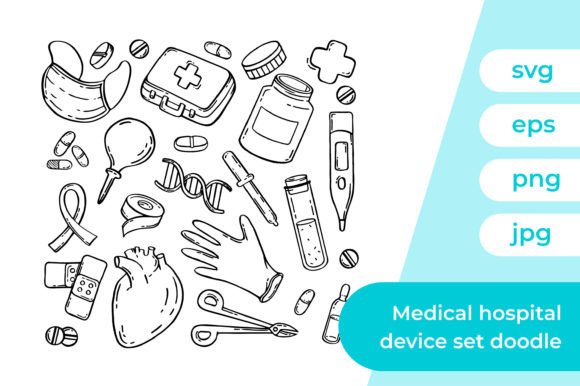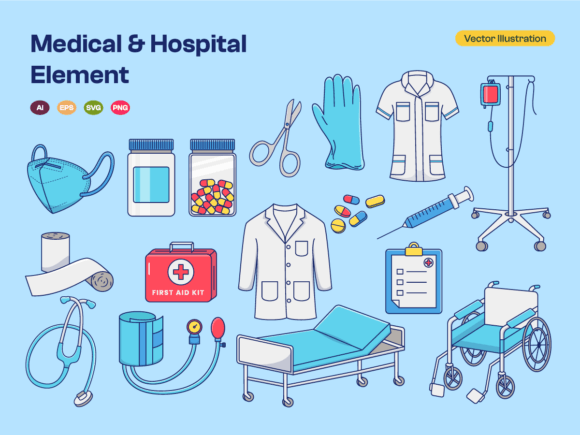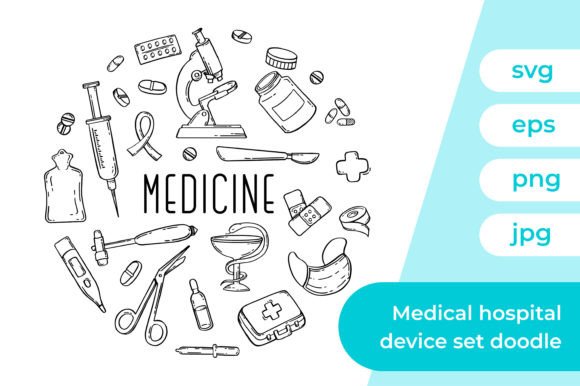
Medical Hospital Device Set of Drawings: Graphics & Illustrations
As a graphic designer who has spent over a decade refining brand identities and marketing visuals for healthcare startups and boutique wellness brands, I approach every new graphic design asset with a critical eye. It is not enough for an image to look pretty; it must perform under pressure. Recently, I integrated the Medical Hospital Device Set of Drawings into a client project for a local compounding pharmacy launching a new line of artisanal health supplements. The goal was to bridge the gap between clinical trust and handmade warmth. This review breaks down how this specific collection holds up in real-world commercial design scenarios.
First Impressions: Balancing Clinical Precision with Hand-Drawn Charm
The immediate mood created by this illustration set is one of approachable professionalism. Unlike sterile, vector-perfect icons that can feel cold or impersonal, these hand-drawn elements introduce a human touch. The lines are organic yet precise, suggesting care and attention to detail—qualities essential for any brand in the pharmaceutical or wellness space. For a small business branding project, this aesthetic is invaluable. It softens the often intimidating nature of medical equipment, making it suitable for audiences who might feel anxious about clinical settings.
This design bundle naturally fits projects that require a narrative element. Whether you are designing packaging for organic skincare, creating educational materials for a pediatric clinic, or developing social media graphics for a telehealth service, the hand-drawn style adds character. It moves beyond generic stock imagery, offering a unique visual voice that helps brands stand out in a crowded creative marketplace.
Versatility Across Print and Digital Channels
In my recent project, I tested these assets across multiple mediums to ensure consistency. The versatility of the Medical Hospital Device Set of Drawings is its strongest asset. Here is how it performs in specific design situations:
- Packaging Design: The vector formats (EPS and SVG) allowed me to scale the illustrations without losing quality. I used a detailed microscope drawing as a subtle watermark on supplement bottles, creating a premium feel that reinforced the scientific backing of the product.
- Social Media Graphics: For Instagram posts and Pinterest pins, the PNG files with transparent backgrounds were crucial. They layered beautifully over pastel-colored backgrounds, making complex medical topics feel accessible and engaging for digital ads.
- Print-on-Demand and Merchandise: I experimented with these drawings for t-shirt designs and tote bags aimed at nursing students. The clean lines translated well to sublimation design processes, ensuring the artwork remained crisp on fabric.
- Etsy Products and Printables: For clients selling digital planners or printable wall art, these illustrations serve as excellent decorative accents. They add thematic relevance to journals focused on health tracking or medical study guides.
Furthermore, for Cricut users and crafters, the SVG format is a game-changer. It allows for easy cutting and layering, making this set ideal for sticker design, scrapbooking, or custom party invitations for medical-themed events. The ability to manipulate individual paths means you can simplify complex drawings for smaller applications, such as logo design elements or favicon icons.
Strategic Placement and Visual Hierarchy
Understanding where to place these graphics is key to maintaining a polished look. These illustrations work best as hero graphics in large layout areas, such as website headers or brochure covers. They also function effectively as supporting brand elements in editorial design, breaking up text-heavy sections in white papers or blog visuals.
However, designers must use caution. In crowded layouts or minimalist branding projects, these detailed hand-drawn elements can compete for attention. I found that they should be used carefully in small sizes, such as footers or intricate pattern repeats, where fine lines might blur. Additionally, on low-contrast designs or complex backgrounds, the delicate linework can get lost. Always ensure there is sufficient negative space around the illustration to let it breathe.
Impact on Brand Trust and Audience Engagement
The right visual assets do more than decorate; they communicate values. Using the Medical Hospital Device Set of Drawings significantly enhanced the perceived authenticity of the pharmacy brand. The hand-drawn style suggested craftsmanship and personal care, while the subject matter maintained professional credibility. This balance improved visual trust and emotional appeal, leading to higher engagement on social media posts featuring these images.
For marketing visuals, consistency is vital. By using a cohesive set of illustrations rather than mixing disparate stock photos, we established a strong brand identity. This consistency aids in recognition, making the brand memorable to its audience. Whether used in a Canva template for quick social updates or in high-end web design, the unified style reinforces the brand’s message of reliable, human-centered care.
Practical Designer Notes for Commercial Use
Before integrating any digital product into a client deliverable, rigorous testing is non-negotiable. Here are my practical notes for working with this specific set:
- Test in Black and White: Ensure the linework holds up without color. This is crucial for faxed documents, newspaper ads, or cost-effective single-color printing.
- Check Contrast: Preview the illustrations on both light and dark backgrounds. You may need to adjust stroke weights or add a subtle drop shadow to maintain visibility on darker hues.
- Inspect File Formats: While JPGs are useful for quick previews, always use EPS or SVG for final production to ensure scalability. Verify PNG transparency if you plan to overlay images on textured backgrounds.
- Font Pairing: These hand-drawn elements pair beautifully with clean sans serif fonts for a modern look, or elegant script fonts for a more boutique, handmade feel. Avoid overly decorative display fonts that might clash with the illustration’s detail.
- Licensing Verification: Always confirm the commercial license terms. For client projects, especially those involving print-on-demand or Etsy products, ensure you have the right to use the assets in goods for sale.
In conclusion, the Medical Hospital Device Set of Drawings is a robust resource for designers seeking to add warmth and personality to healthcare-related projects. It bridges the gap between clinical accuracy and artistic expression, making it a valuable addition to any designer’s toolkit for commercial design. Whether you are crafting a logo, designing packaging, or creating engaging social media content, this set offers the flexibility and charm needed to elevate your visual storytelling.